
Public Pharma: A Step Towards Health For All
PHM Africa Regional Circle introduces it's Public Pharma campaign

PHM Africa Regional Circle introduces it's Public Pharma campaign
Vaccines are among the most effective interventions in the history of public health, responsible for the eradication and significant reduction of infectious diseases, as well as for increasing life expectancy and quality of life on a global scale. It is estimated that, over the past five decades, vaccination programs have saved at least 154 million lives, the vast majority (101 million) of whom were children under the age of.
The existence of Official Pharmaceutical Laboratories (Laboratórios Farmacêuticos Oficiais – LFOs), institutions responsible for producing medicines primarily intended to meet public health program demands, constitutes one of the defining features of the Brazilian pharmaceutical industry (OLIVEIRA, 2007). Public production of medicines and other health technologies became effectively linked to the Brazilian Unified Health System (Sistema Único de Saúde – SUS) following the 1988 Federal Constitution and, more prominently, through Law No. 8,080 of 1990.
Public Pharma, as articulated by the People’s Health Movement (PHM), refers to the research, development, manufacturing, and distribution of health technologies carried out under public ownership, with the explicit aim of serving collective health needs rather than private profit. It is understood not merely as a corrective to so‑called market failures, but as a systemic infrastructure that redefines medicines and health technologies as public goods.
Public Pharma offers a powerful alternative to pharmaceutical systems driven primarily by commercial interests. As defined by the People's Health Movement (PHM), it encompasses the public ownership of the research, development, manufacturing, and distribution of medicines and other health technologies, with the explicit goal of meeting collective health needs rather than generating private profit.
By Jennifer Cardona Malaver*

Theme: Herbal Medicine and the Struggle for the Commons in Latin America
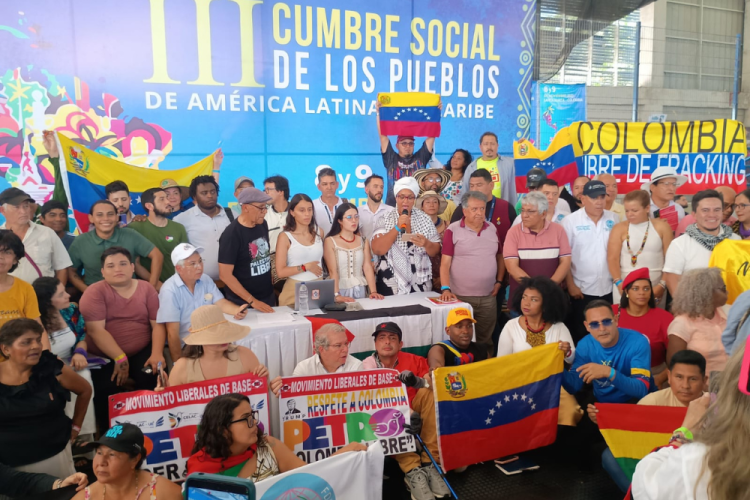
Under the slogan: “For economic, social, and cultural integration, with full democracy, sovereignty, and pe
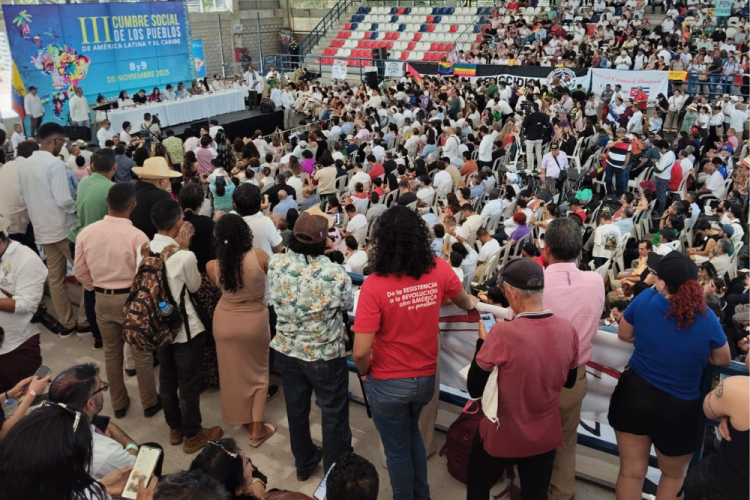
Strengthening efforts to build health sovereignty and pharmaceutical autonomy were one of the topics discus
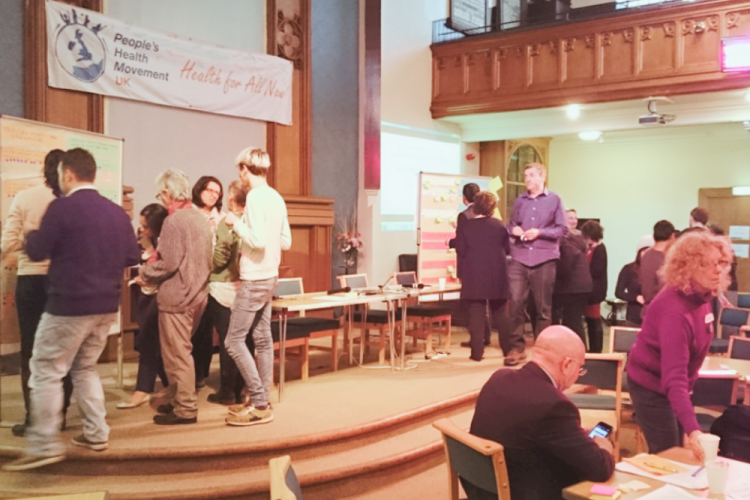
Bringing people together to inspire each other and help build a stronger public health movement across Euro