Food is a Human Right, Not a Privilege!: An Activist's Call for Food Justice, Peace and Dignity in Africa
The People's Health Movement in Southern and Eastern Africa is launching its declaration for justice, peace

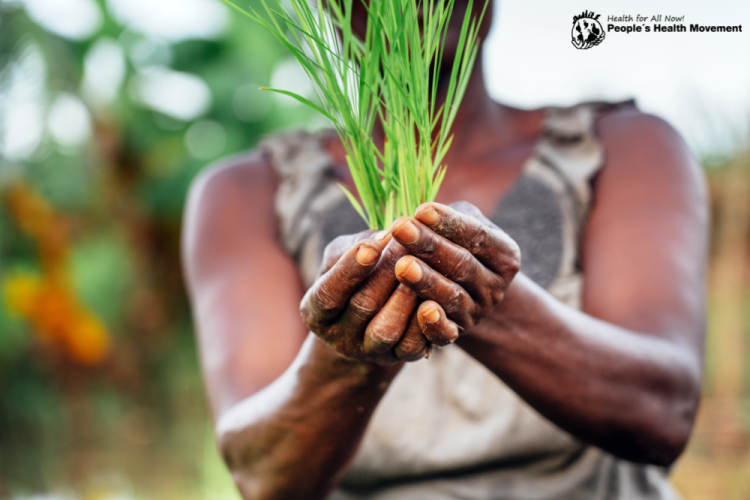
The People's Health Movement in Southern and Eastern Africa is launching its declaration for justice, peace
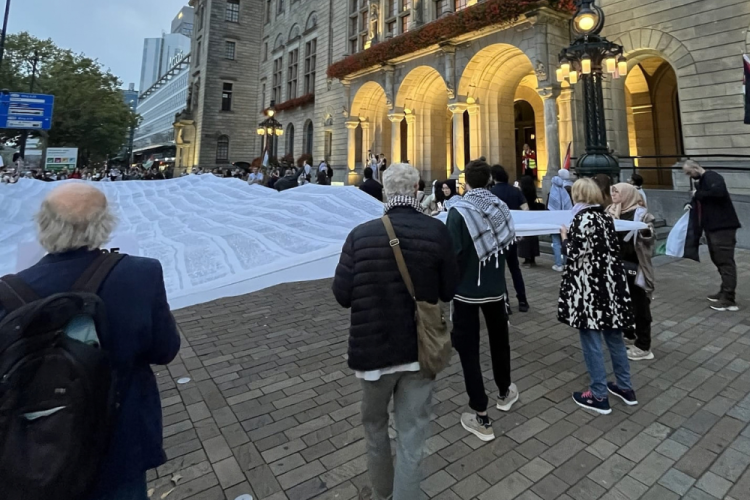
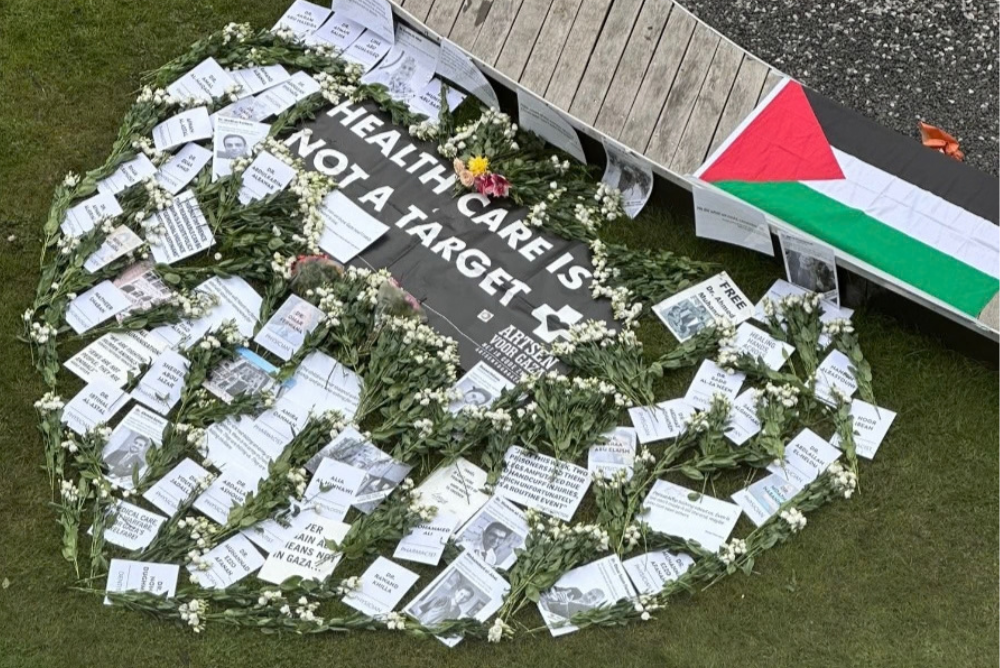
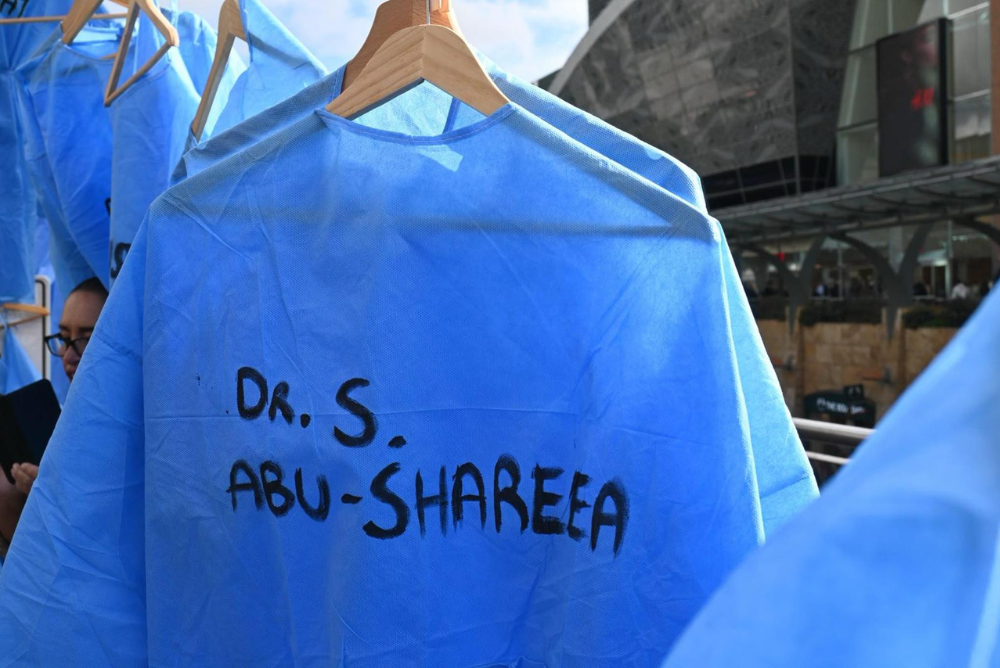
From 8–10 October 2026, health workers, students, activists, unions and organisations from different countries will come together in Rotterdam for IMA OUT!, three days of discussion, organising and collective action for Palestine. Taking place alongside the World Medical Association (WMA) General Assembly, the mobilisation will focus on medical neutrality, the protection of healthcare workers, health justice and demands for accountability within the international medical profession.
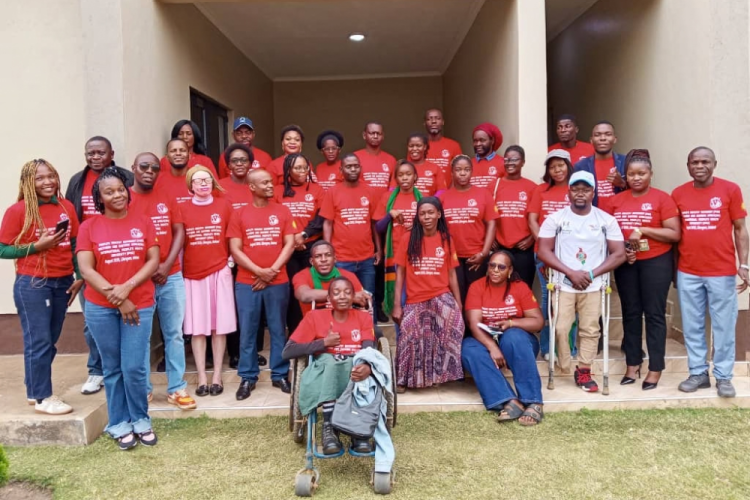
We share with you some outcomes documents arising from the PHM South and East Africa International People’s
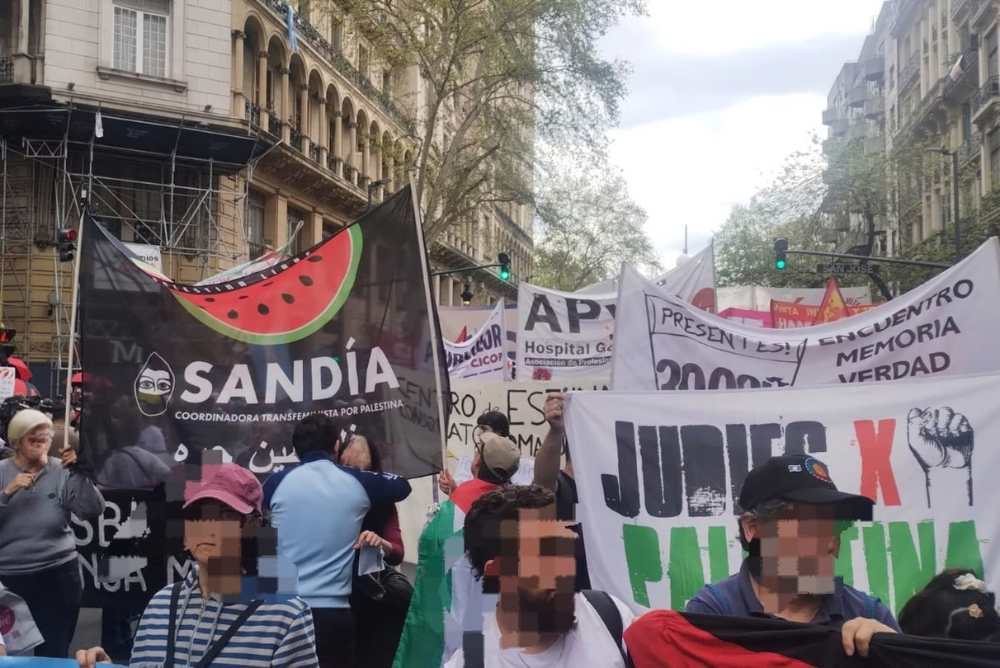
Marches, demonstrations, and sit-ins in support of the Palestinian people, demanding respect for international humanitarian law, an end to attacks on civilians, and a halt to hostilities against healthcare workers and the medical mission, ahead of the third anniversary of the genocide on October 7.
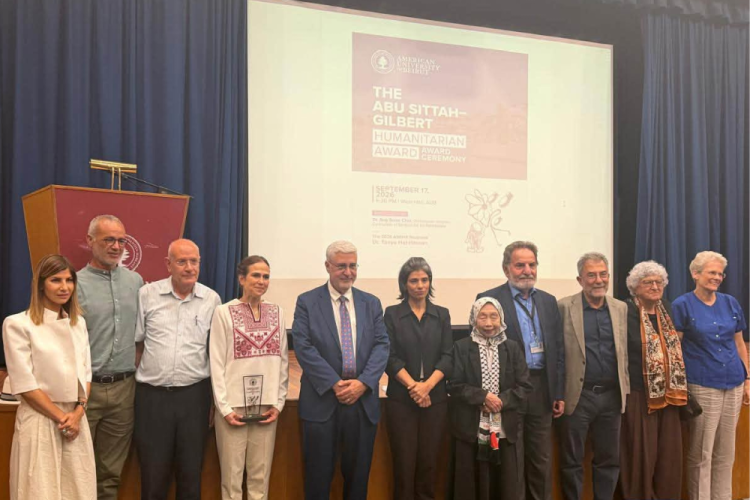
The second edition of the Abu Sittah-Gilbert Humanitarian Award honored healthcare professionals in 2026 wh
PHM Africa Regional Circle introduces it's Public Pharma campaign
In this episode of Charter4health we address the challenges facing the right to health in Southern and Eastern Africa that dominated the discussions at International People’s Health University (IPHU) and People’s Climate and Health Assembly held in Lilongwe, Malawi, late August 2026.
Our guest today is Wilson Asibu, PHM’s regional coordinator for Southern and Eastern Africa, to discuss the scope of this gathering and the launch of the 2026 Lilongwe Call to Action.